Featured


The Of Community-Based Financial counseling for veterans in Texas who are overwhelmed by credit card debt Options Reviewed
Table of Contents
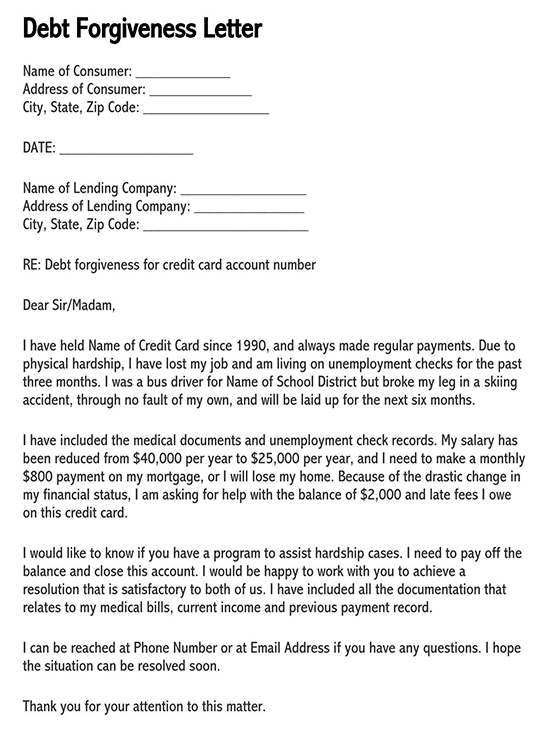
That liberates money in the short-term, and you may have 3 to four years to save toward the settlement amount. Extremely unsafe to credit rating, largely as a result of missed out on settlements and a negative "resolved" mark that can remain on your credit report for up to 7 yearsMay be only choice if various other alternatives (debt consolidation, equilibrium transfer credit report cards, financial obligation mercy) aren't possibleTypically calls for a cost to the third event, which can balance out some or all of the savings from financial obligation settlementMay aid you prevent bankruptcy if you have actually missed a number of paymentsNot all financial institutions collaborate with financial obligation settlement companies Financial debt forgiveness might be ideal for you if you are experiencing a financial hardship that makes it virtually impossible to pay down your debt balances.
With a DMP, you make one monthly repayment to the debt therapy agency. Those funds are then distributed to financial institutions of your unsafe financial debts, such as bank card and installment fundings. The company functions with your financial institutions to lower rates of interest or waive charges, but some financial institutions may refuse such concessions.
A financial debt combination funding combines your eligible financial obligations right into one brand-new financing. It can aid you pay down financial obligation if you're able to secure a car loan rate that's less than the typical rate of the accounts you're settling. However, you should avoid acquiring financial obligation on those freshly removed accounts or your financial debt could expand even higher.
That provides you plenty of time to eliminate or dramatically minimize your balance while making interest-free settlements.
The Of Additional Charges That Financial counseling for veterans in Texas who are overwhelmed by credit card debt Experts Eliminate
You may require it if your financial institution or a collection company ever attempts to collect on the financial debt in the future. The letter might show you do not owe what the collection firm's documents reveal. Yes, most of the times, the IRS takes into consideration forgiven financial obligation as taxable revenue. When a lending institution forgives $600 or more, they are called for to send you Kind 1099-C.
Financial debt mercy or settlement generally hurts your credit rating. Anytime you settle a financial obligation for much less than you owe, it may appear as "settled" on your credit score report and influence your credit score for 7 years from the day of settlement. Your credit rating can also go down substantially in the months bring about the forgiveness if you fall behind on settlements.
How Actual Testimonials of People Who Achieved Freedom can Save You Time, Stress, and Money.
This situation typically results from underreporting income, not submitting returns on time, or inconsistencies located during an IRS audit. The effects of gathering tax obligation debt are serious and can consist of tax obligation liens, which offer the IRS a lawful insurance claim to your building as safety for the debt.
Wages and Bank Accounts IRS can impose (take) earnings and financial institution accounts to satisfy the debt. Residential or commercial property Seizure In severe instances, the Internal revenue service can confiscate and offer home to cover the financial obligation.
Clinical depression, stress and anxiety, and various other mental wellness issues. Social Preconception Facing lawsuit from the internal revenue service can lug social stigma. Damage to credibility and partnerships. Employment Opportunities A poor credit history because of exhaust debt can restrict employment possibility. Problem finding or maintaining a task. Government Benefits Tax obligation debt may impact qualification for federal government advantages, such as Social Safety and Medicaid.
Some Known Incorrect Statements About Certified Guidance Safeguards What You've Earned
The OIC takes into consideration several aspects, consisting of the taxpayer's income, expenses, possession equity, and ability to pay. Successfully working out an OIC can be complicated, calling for a thorough understanding of the IRS's standards and a strong disagreement for why your deal straightens with your capacity to pay. It's vital to note that not all applications are accepted, and the process calls for thorough economic disclosure.
The IRS examines your total financial scenario, including your revenue, costs, asset equity, and ability to pay. You need to likewise be current with all declaring and repayment demands and not be in an open personal bankruptcy proceeding. The internal revenue service likewise considers your conformity background, examining whether you have a document of prompt declaring and paying tax obligations in previous years.
A Biased View of Forms of Financial counseling for veterans in Texas who are overwhelmed by credit card debt You May Know About
The application process for an Offer in Concession includes several in-depth actions. You must finish and send IRS Type 656, the Deal in Concession application, and Type 433-A (OIC), a collection information statement for people. These kinds call for detailed financial details, including details regarding your income, debts, costs, and assets.
Back tax obligations, which are overdue taxes from previous years, can dramatically increase your overall IRS financial debt otherwise attended to without delay. This financial obligation can build up interest and late payment charges, making the initial amount owed a lot bigger with time. Failing to pay back taxes can cause the internal revenue service taking enforcement actions, such as providing a tax obligation lien or levy against your residential or commercial property.
It is very important to address back tax obligations as quickly as possible, either by paying the complete quantity owed or by arranging a settlement strategy with the internal revenue service. By taking proactive actions, you can stay clear of the buildup of additional interest and fines, and avoid much more hostile collection actions by the IRS.
One common factor is the belief that the taxpayer can pay the total either as a lump sum or with a repayment plan. The internal revenue service likewise thinks about the taxpayer's earnings, costs, property equity, and future earning capacity. If these variables show that the taxpayer can afford to pay more than the offered amount, the IRS is most likely to turn down the deal.
Fascination About Federal Resources for Financial Assistance
Dealing with Internal revenue service debt can be complicated and challenging. Tax experts, such as Certified public accountants, tax obligation attorneys, or enlisted representatives, can give vital aid.

Table of Contents
Latest Posts
The 7-Minute Rule for Market Changes in How Debt Impacts Mental and Emotional Well-Being Services

7 Easy Facts About Student Loan Debt Doctor Loan Consolidation Guide: Best Strategies to Cut Payments Fast Explained Shown
Unknown Facts About Your Introduction to Debt Counseling and What to Expect
More
Latest Posts
The 7-Minute Rule for Market Changes in How Debt Impacts Mental and Emotional Well-Being Services
7 Easy Facts About Student Loan Debt Doctor Loan Consolidation Guide: Best Strategies to Cut Payments Fast Explained Shown
Unknown Facts About Your Introduction to Debt Counseling and What to Expect